
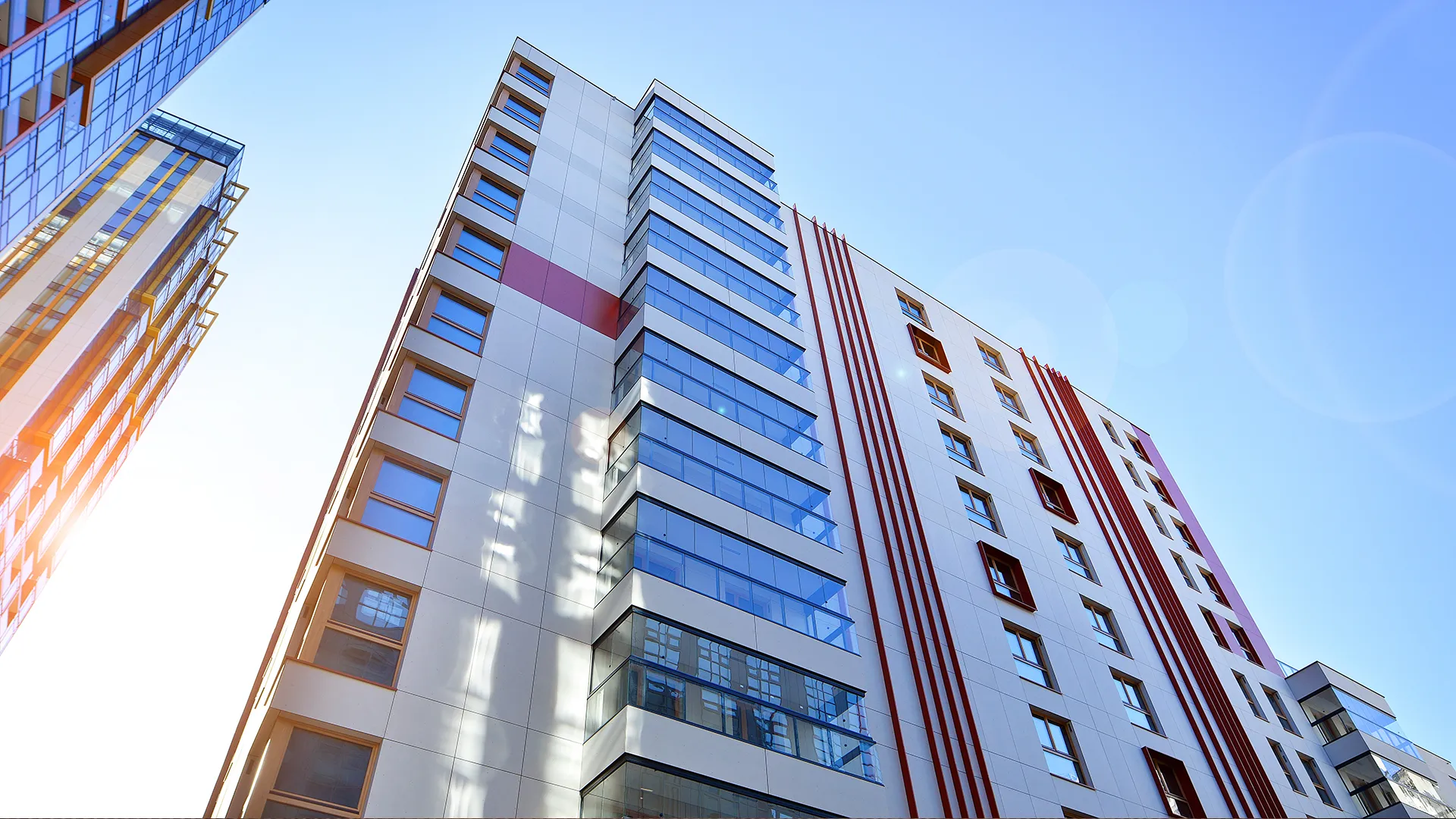
Managing heating across commercial buildings requires a careful balance between occupant comfort, operational efficiency, and energy cost control. In large-scale properties such as student accommodation, Hostels, Hotels, Build to Rent and Co-Living properties heating demand fluctuates constantly due to occupancy patterns, weather conditions, and building usage.
Heat timer automatic heating control systems provide a practical solution by ensuring heating systems operate only when required, at precisely the right output level. Rather than relying on manual adjustments or static schedules, these systems dynamically respond to environmental changes, improving both comfort and efficiency.
What Is a Heat Timer Automatic Heating Control System?
A heat timer automatic heating control system regulates heating operation based on real-time conditions. It monitors variables such as outdoor temperature, indoor demand, and system performance, adjusting heating cycles automatically to maintain optimal indoor comfort levels.
In commercial multi-occupancy buildings, this type of control typically connects to central plant equipment such as:
- Boilers
- District heating interfaces
- Hydronic heating systems
- Radiator networks
- Air handling units
By continuously adjusting heating output, the system helps ensure that energy is used only when necessary.
Why Commercial Buildings Benefit from Automated Heating Control
Commercial multi-occupancy properties often operate under complex schedules and varying occupancy loads. Heating systems that run on fixed timers or manual settings can easily waste energy or fail to deliver consistent comfort.
Heat timer automatic control helps address these challenges by:
- Responding to changing outdoor temperatures
- Preventing overheating during mild weather
- Supporting consistent indoor temperatures
- Reducing unnecessary boiler cycling
- Improving tenant satisfaction
In buildings where heating demand varies significantly throughout the day, automation provides a more adaptive and efficient approach.
Core Components of a Heat Timer Control System
A commercial heat timer system typically includes several integrated elements working together.
Outdoor Temperature Sensors
Outdoor sensors measure ambient conditions and allow the control system to adjust heating output based on weather changes. When temperatures rise, the system automatically reduces heating demand.
Programmable Controllers
Controllers allow facility managers to define heating schedules aligned with occupancy patterns. Modern controllers also learn from system behaviour to optimise performance.
Indoor Temperature Feedback
Some systems incorporate indoor sensors to verify that desired temperature levels are achieved. This ensures heating output matches actual comfort requirements rather than relying solely on external data.
Actuators and Valves
Automated valves regulate the flow of hot water or steam through the heating distribution system. Precise modulation allows more consistent temperature control across different building zones.
Key Advantages for Facility Managers
Implementing heat timer automatic heating control delivers practical operational benefits across commercial portfolios.
Energy Cost Reduction
Heating systems are among the largest energy consumers in commercial buildings. Automated controls reduce wasted energy by matching output to actual demand.
Improved Comfort Consistency
Temperature fluctuations are a common complaint in commercial environments. Automated systems maintain more stable indoor conditions across multiple zones.
Reduced Equipment Wear
Frequent manual adjustments and unnecessary system cycling can shorten equipment lifespan. Automated control supports smoother operation and reduced mechanical stress.
Simplified Building Management
Facility teams gain improved visibility into system performance, often through digital interfaces or building management system integration.
How Weather-Responsive Heating Improves Efficiency
Traditional heating systems often operate at fixed temperatures regardless of external conditions. Heat timer automatic control uses outdoor reset strategies to adjust heating output based on the difference between indoor and outdoor temperatures.
For example:
- On very cold days, the system increases supply temperature
- On milder days, heating output is reduced automatically
- During shoulder seasons, heating runtime is minimised
This responsive approach prevents overheating and reduces fuel consumption without compromising occupant comfort.
Integration with Building Management Systems
Many commercial buildings operate centralised building management systems (BMS) that coordinate HVAC, lighting, and energy monitoring functions.
Heat timer automatic heating controls can often integrate with these systems, enabling:
- Central monitoring of heating performance
- Data-driven optimisation of energy use
- Remote adjustments to heating schedules
- Identification of inefficiencies or faults
Integration supports a more holistic approach to building performance management.
Common Applications Across Commercial Property Types
Heat timer systems are suitable for a wide range of commercial environments.
Typical applications include:
- Multi-tenant office buildings
- University facilities
- Built to Rent property
- Hotels and hospitality venues
- Hostels
- Co-Living property
Any building with centralised heating can benefit from improved control precision.
Best Practices for Implementation
To achieve optimal results, several practical considerations should be addressed during installation and operation.
- Ensure accurate placement of outdoor temperature sensors
- Align heating schedules with actual occupancy patterns
- Periodically review system performance data
- Maintain calibration of sensors and control components
- Coordinate heating control with ventilation strategies
These steps help maximise both comfort and efficiency outcomes.
Supporting Sustainability Goals
Energy efficiency is increasingly important as commercial property owners respond to environmental targets and regulatory requirements.
Heat timer automatic heating control supports sustainability initiatives by:
- Reducing overall energy consumption
- Lowering carbon emissions
- Improving building energy performance metrics
- Supporting long-term decarbonisation planning
Even incremental improvements in heating efficiency can produce significant environmental benefits across large property portfolios.
Final Thoughts
Heat timer automatic heating control systems offer a practical, technology-driven solution to one of the most persistent challenges in commercial building management: balancing comfort with energy efficiency.
By adapting heating output to real-world conditions, these systems reduce operational costs, improve occupant satisfaction, and support long-term equipment reliability. For commercial buildings seeking smarter, more responsive heating performance, automated control represents a logical and valuable investment.
As commercial facilities continue to evolve toward more intelligent infrastructure, automated heating control will remain an essential component of efficient, future-ready building management strategies.
