
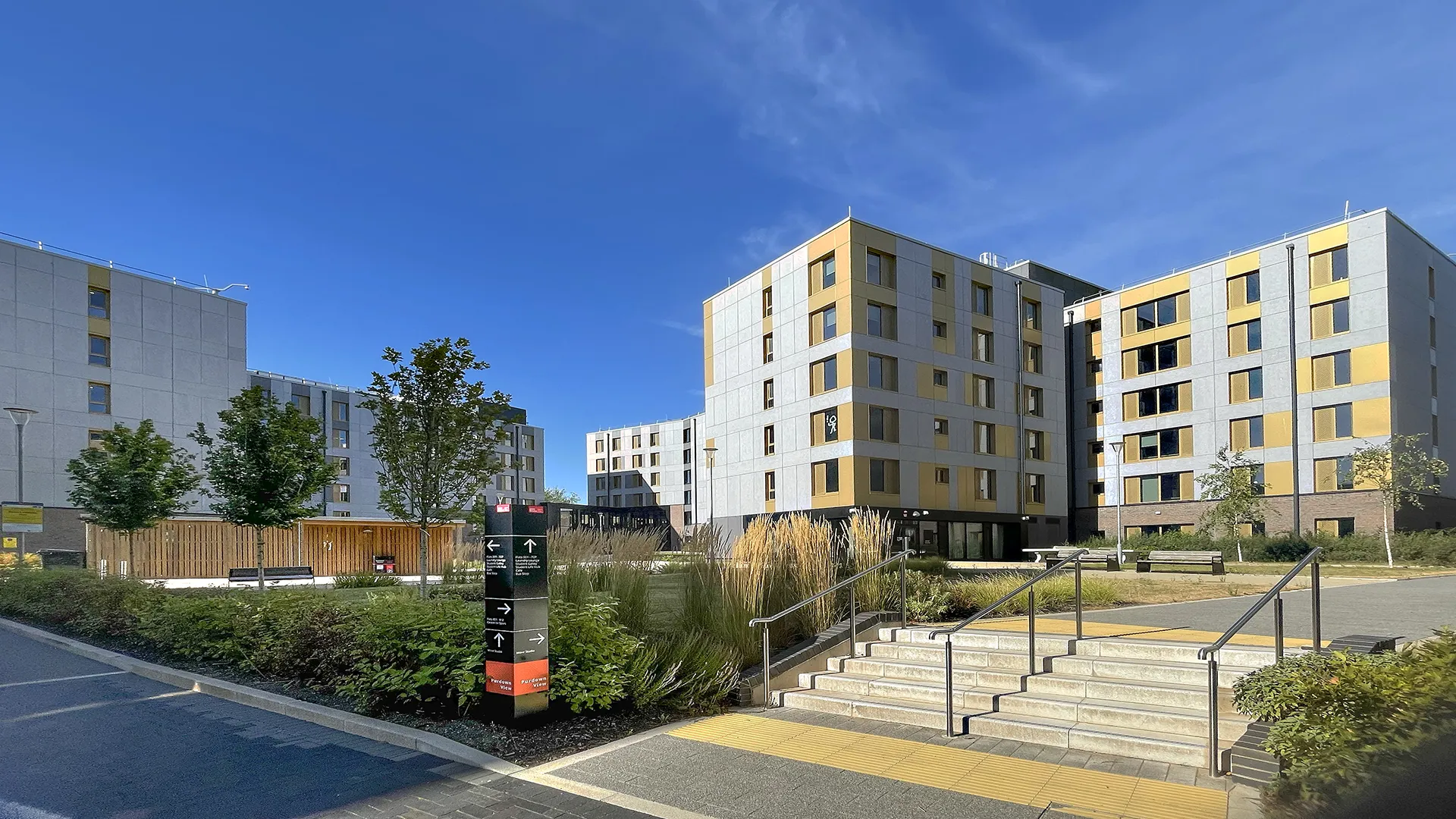
Commercial buildings can waste energy by heating rooms long after occupants have left or before they arrive. Prefect Controls provides intelligent heating timers for commercial buildings, student accommodation, hotels and multi-occupancy properties across the UK. Automated scheduling, occupancy-based operation and remote management help align heating with actual demand across multiple rooms and zones.
Speak to Prefect Controls about heating timers for your building
Why Are Commercial Heating Timers Important?
Poorly timed heating creates unnecessary energy consumption. Fixed schedules may continue heating empty offices, vacant hotel bedrooms, communal areas during quiet periods or student rooms during extended absences. This increases operating costs without improving occupant comfort.
Basic timers offer fixed on and off periods but can be restrictive in commercial properties where occupancy varies by room, floor, day and season. Manual adjustments can also be overlooked, leaving temporary overrides active or outdated schedules running.
Effective commercial heating timer systems help building operators:
-
Match heating periods to occupancy and operating hours
-
Prevent unnecessary heating across empty rooms and zones
-
Reduce reliance on manual adjustments
-
Maintain suitable temperatures during occupied periods
-
Improve control across multiple heating systems
More accurate scheduling can also reduce unnecessary plant usage and maintenance requirements, providing a practical foundation for managing energy expenditure and supporting building energy-performance targets.
Intelligent Heating Timer Systems for Multi-Occupancy Buildings
Multi-occupancy properties need more precise control than a conventional on/off programmer can provide. Intelligent systems coordinate heating across bedrooms, communal areas, corridors and operational spaces, with schedules tailored to each zone.
Multi-Zone Heating Schedules
Separate operating periods can be assigned to individual rooms, floors or building areas. This prevents one central schedule from controlling spaces with different occupancy patterns and heating requirements.
Occupancy Sensors and Absence Detection
Room sensors can identify occupied and unoccupied conditions, allowing heating to reduce when spaces are not in use. Where no presence is detected for a configured period, a room can revert to a lower temperature setpoint before returning to normal operation when occupancy resumes or an authorised override is activated.
Adaptive Heating and Weather Compensation
Intelligent control can analyse occupancy and temperature patterns to refine heating start times and operating periods. Weather compensation can also use external temperature data to adjust the heating strategy as conditions change.
Remote Heating Overrides
Authorised facilities teams can amend schedules, review operating status and respond to exceptional requirements without visiting individual room controllers.
Prefect’s approach to automatic heating control in commercial buildings combines local room control with centralised management. Occupants retain appropriate control within defined parameters, while facilities teams oversee schedules, setpoints, overrides and operational data.
Automated Heating Schedules for Student Accommodation
Student accommodation has changing occupancy patterns throughout the academic year. Heating demand varies during teaching weeks, examination periods, weekends and university holidays. Automated schedules can follow academic calendars, allowing operating profiles to change on predefined dates without manually reprogramming individual rooms.
Term-Time and Vacation Heating Controls
During term time, heating timers can provide access to heat within approved hours while maintaining suitable temperature limits. During university holidays, schedules can be reduced to frost protection or background heating levels, with individual rooms maintained for students who remain in residence.
Calendar-based scheduling also supports phased arrivals, early departures and short-term occupancy outside standard tenancy periods.
Individual Room Heating Control
Room-level control provides greater precision than block-wide scheduling. Bedrooms can follow their own occupancy states and permitted operating parameters, while communal areas, corridors and shared kitchens use separate schedules.
This helps prevent empty bedrooms from being heated simply because other parts of the building remain occupied.
Centralised Student Accommodation Management
Integration with central management software gives accommodation teams visibility of room status, schedules, setpoints and overrides across multiple buildings. Prefect Controls’ student accommodation case studies demonstrate how centralised data can support fault investigation, maintenance planning and the identification of unusual heating patterns.
Find out how Irus manages heating in student accommodation
Heating Timer Controls for Hotels and Commercial Properties
Hotels and other commercial buildings have different heating requirements across guest rooms, reception areas, corridors, meeting spaces and staff facilities. A fixed time clock may apply the same programme throughout the property, wasting energy in vacant areas or leaving occupied spaces below the required temperature.
Zoned Heating for Hotel Bedrooms and Shared Areas
A zoned control strategy aligns heating availability with each space’s operating profile. In hotels, room-level controls can work alongside booking or room-status information where compatible integrations are available.
Vacant rooms can remain at an appropriate setback temperature, while occupied rooms retain local comfort control. Reception areas and circulation spaces can follow separate schedules, with authorised overrides available to front-of-house and facilities teams.
Consistent Heating Management Across Commercial Estates
Centralised management helps prevent local changes from becoming permanent settings. Facilities teams can review operation, adjust programmes remotely and maintain consistent control policies across individual buildings or wider estates.
Prefect Controls’ Irus platform supports room-level heating management in demanding multi-room environments.
Remote Heating Management and Centralised Control
The Irus central management platform allows facilities teams to supervise individual room controllers from a central interface. Managers can:
-
View the status of individual rooms
-
Change schedules and temperature setpoints remotely
-
Apply calendar profiles across an entire site
-
Make adjustments to individual rooms or multiple zones
-
Identify active overrides and rooms operating outside expected parameters
This removes the need to visit individual controllers, which is particularly useful in properties with hundreds of rooms across multiple buildings or sites.
Centralised management also provides an audit trail showing what was changed, when and by whom. Operational data can help identify faults, unusual heating patterns and opportunities to improve scheduling.
Ask about Irus remote management for your estate
Commercial Heating Timer Energy Savings and Return on Investment
Intelligent heating timers help reduce the amount of energy used to heat rooms that do not need it. This is particularly relevant to student accommodation and hotels, where rooms can remain vacant for significant periods and occupancy changes regularly.
Occupancy-based control, absence setbacks, calendar scheduling and temperature limits can work together to reduce unnecessary heating compared with fixed timers or unrestricted occupant-controlled heaters.
Measuring Heating Energy Savings
Actual savings depend on the building, existing heating controls, occupancy patterns and energy prices. However, reducing unnecessary operating hours can help lower consumption, limit plant wear and reduce the time facilities teams spend making manual adjustments.
Centralised operational data also helps property managers monitor performance against energy targets and assess the impact of control improvements.
Integrating Heating Timers with Existing Building Systems
Prefect heating controls are designed to work with existing heating installations rather than automatically requiring a complete system replacement. Room controllers can manage electric panel heaters commonly found in student accommodation and hotels. The Irus platform is also engineered to integrate with existing building infrastructure and management systems where compatible interfaces are available.
Phased Installation and System Compatibility
Installation can be planned block by block or floor by floor to minimise disruption to residents and daily operations.
Prefect’s team surveys the building, confirms system compatibility and plans the rollout around occupancy requirements. This helps make the transition to intelligent heating control manageable for building operators and occupants.
Speak to Prefect Controls About Commercial Heating Timers
The right heating control system depends on your property’s layout, occupancy patterns, existing heating infrastructure and management requirements.
To discuss zoning, automated scheduling and remote management for your student accommodation, hotel or commercial building, contact Prefect Controls Ltd about a tailored solution.
