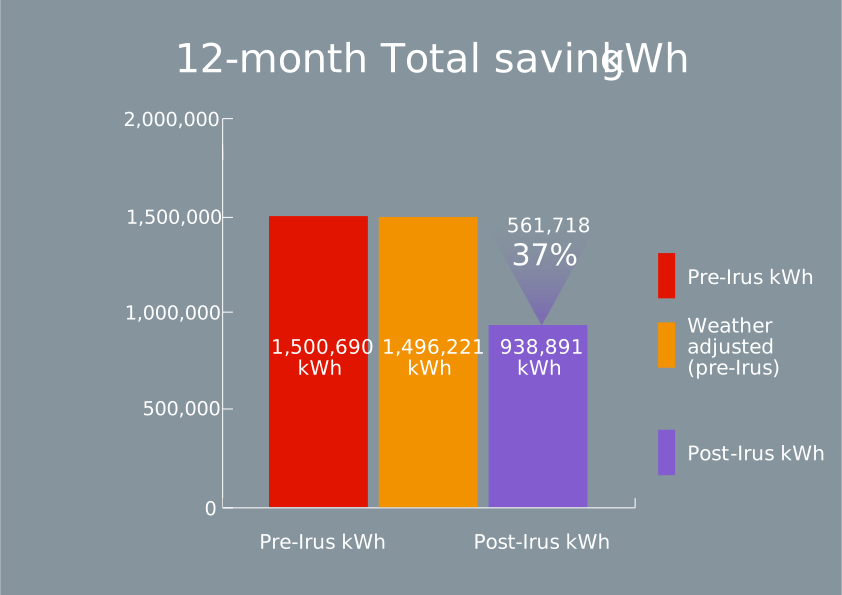
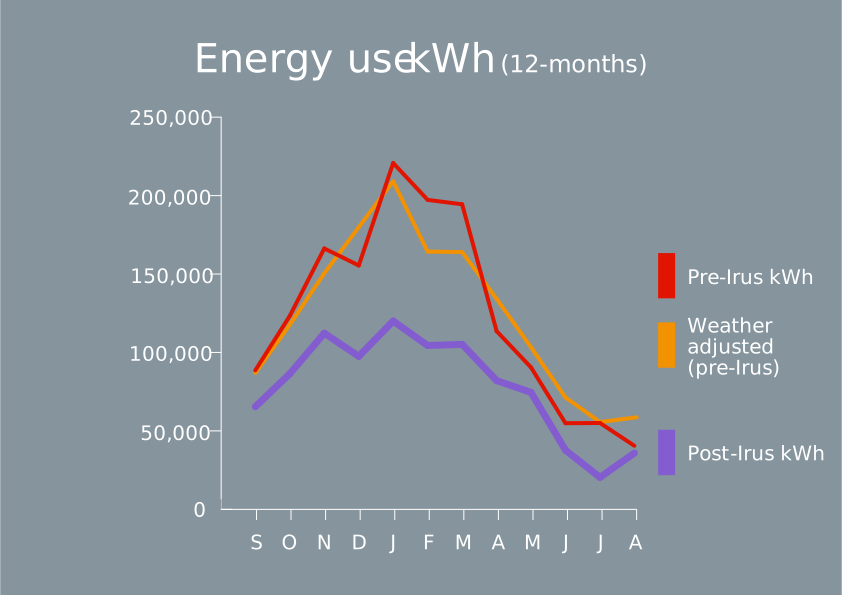
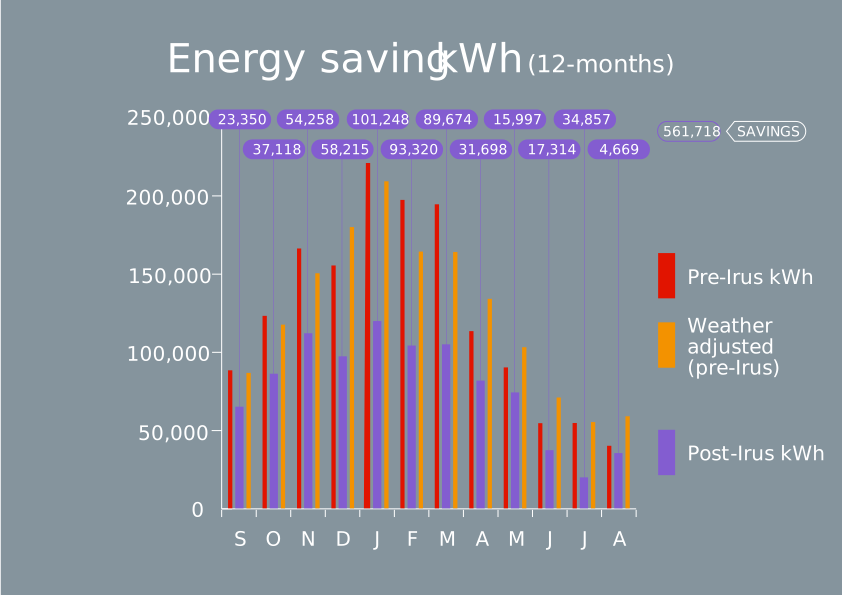
UPDATE: With a full 12-months data analysed, the total energy Saving at The Metal Works is a remarkable 37% – a total reduction of 561,718kWh. Helen Kings from inhabeo commented
“This project highlights how Irus can unlock substantial efficiencies in a traditional wet heating system. By retrofitting state-of-the-art control technology, we have achieved a significant 37% reduction in energy use, supporting both cost savings and carbon reduction goals.”
Read the full story below.
ORIGINAL POST
As heat network operators seek to improve efficiency, reduce carbon emissions and lower operational costs, attention is increasingly turning to energy management at point of use. While much focus remains on generation and distribution infrastructure, significant savings can often be achieved by controlling how heat is used within individual rooms.
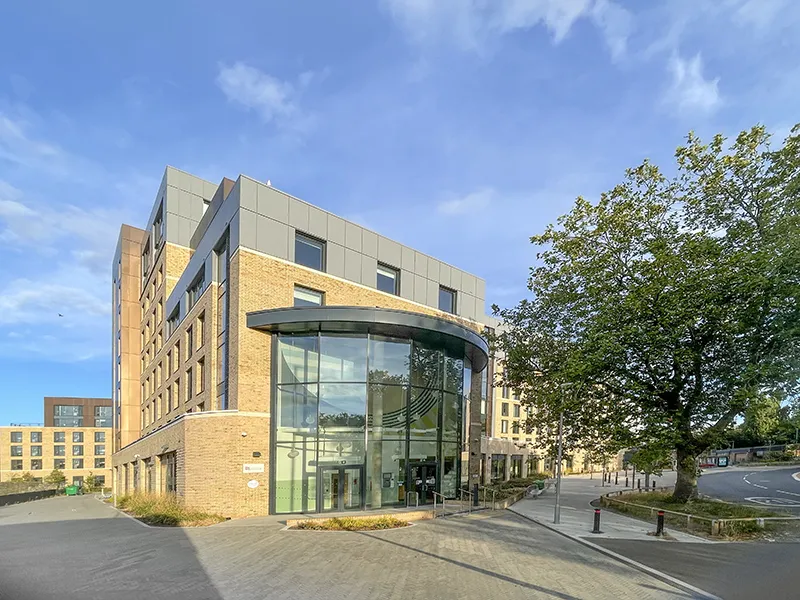
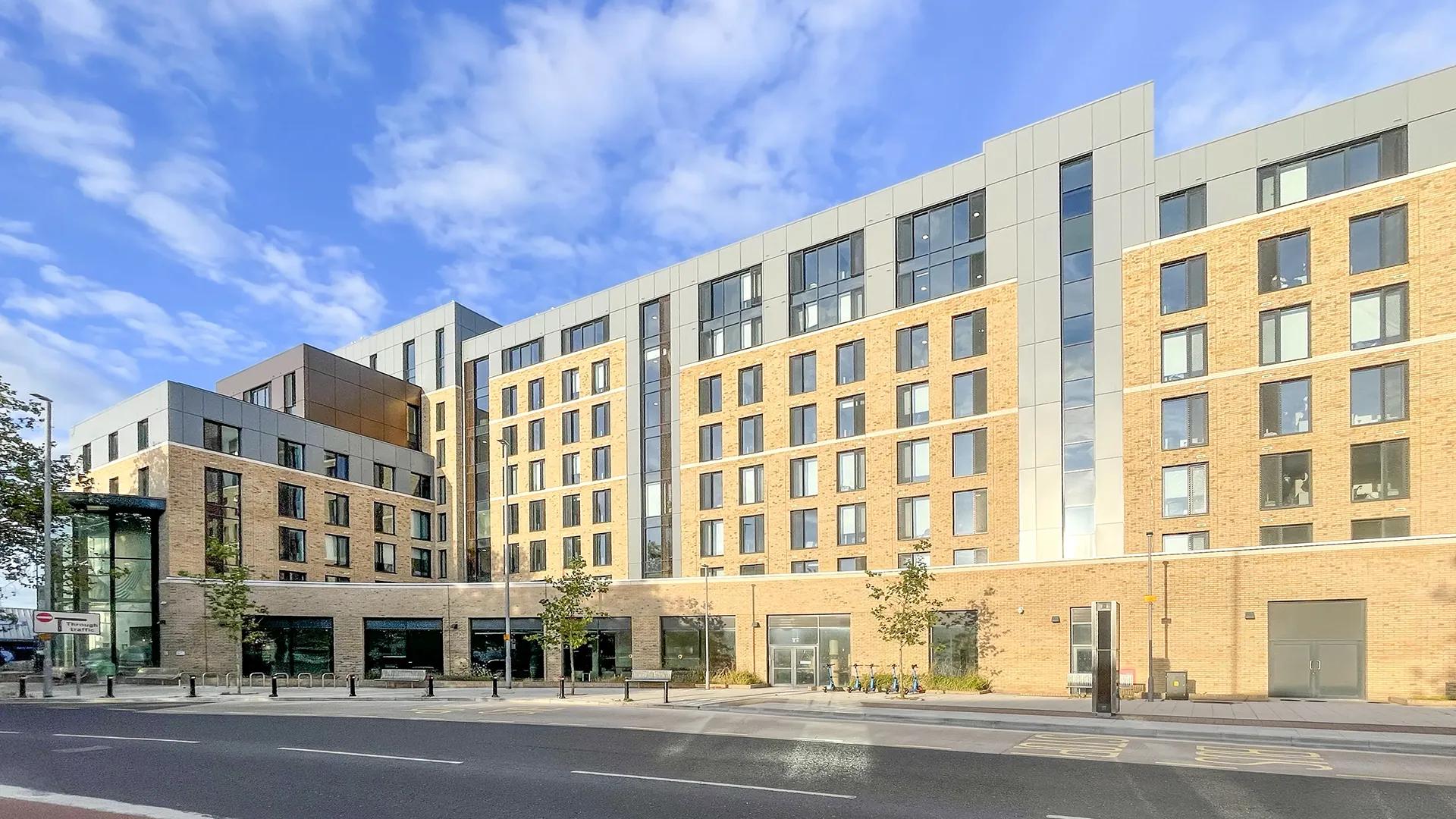
Developed by Watkin Jones and operated by Fresh Student Living, Metal Works provides 819 student bedrooms across a large purpose-built student accommodation development. Asset management is overseen by inhabeo, which commissioned the installation of the Prefect Controls Irus intelligent building services management system.
Tackling heat network inefficiency
Like many residential developments, Metal Works uses a wet radiator heating system connected to a communal heat network. While reliable, these systems can be vulnerable to unnecessary energy consumption when occupants have unrestricted control of heating.
In student accommodation, where residents are not directly responsible for energy bills, overheating, heating with windows open and excessive thermostat settings can all contribute to increased heat demand.
To address this challenge, Irus was installed to provide intelligent room-level control and monitoring. Each radiator is fitted with a valve actuator linked to a room controller, enabling heating to operate within pre-defined comfort parameters while still allowing occupants flexibility through temporary boost settings.
The system also monitors room occupancy, temperature, humidity and other environmental conditions, allowing heating demand to be matched more closely to actual room usage.
Proven results
Following a successful pilot, the system was rolled out across the entire development in September 2025.
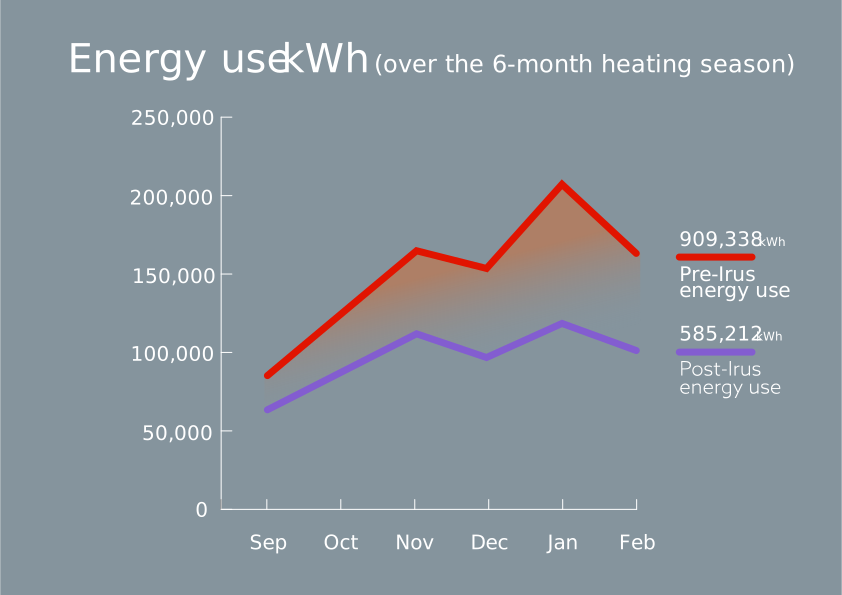
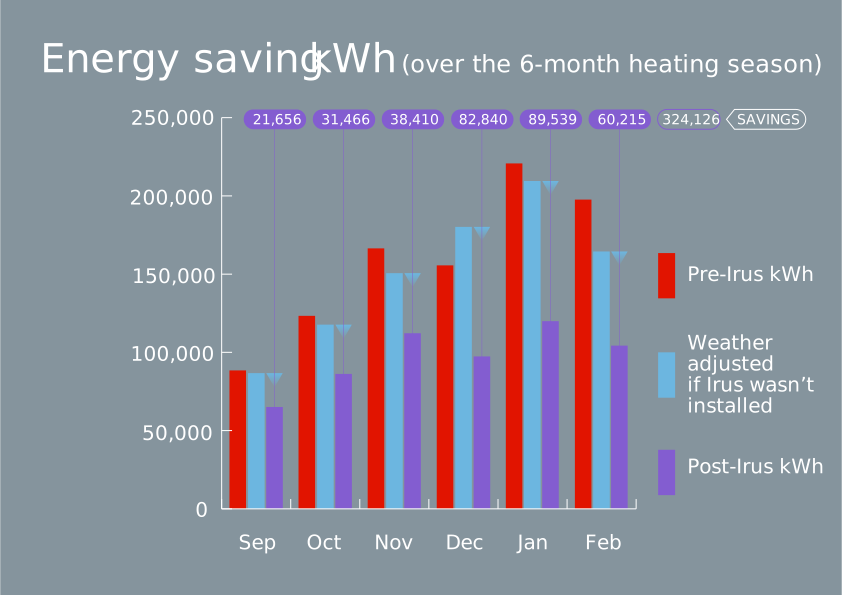
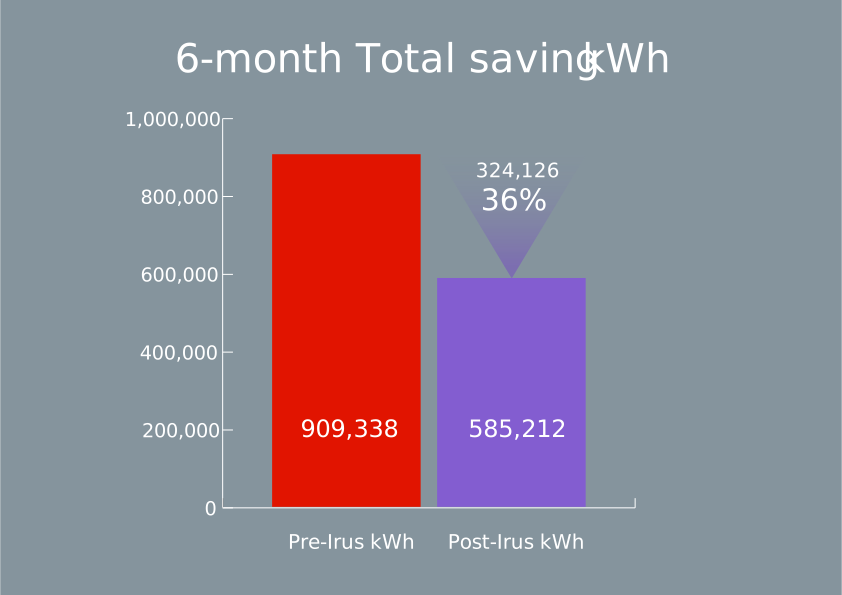
An analysis comparing the first six months of operation against the equivalent period before installation delivered a clear result: a 36% reduction in district heating energy consumption.
Both direct consumption analysis and weather-normalised evaluation methods were used to validate the findings. Similar weather conditions across the two periods provide strong confidence that the reduction was achieved through improved control rather than seasonal variation.
How the savings were achieved
Several factors contributed to the reduction in heat demand:
- Occupancy-based temperature management
- Automated setback temperatures during periods of low use
- Reduced overheating in underutilised spaces
- Prevention of unnecessary heating when rooms are vacant
- Remote monitoring and optimisation of heating profiles
- Identification of unusual energy consumption patterns
- Improved operational visibility
Importantly, these savings were achieved without any changes to the heat generation plant or distribution infrastructure. Instead, the reduction came from controlling demand at the point of use.
“This project highlights how Irus can unlock substantial efficiencies in a traditional wet heating system. By retrofitting state-of-the-art control technology, we have achieved a significant 36% reduction in energy use, supporting both cost savings and carbon reduction goals. We look forward to tweaking the system over time to improve this building’s performance even more!”.
Helen Kings, Managing Director, Asset Management
Lessons for heat network operators
The Metal Works project highlights an important opportunity for heat network operators and asset managers. While significant investment is often directed towards plant upgrades and low-carbon heat sources, reducing unnecessary demand within occupied spaces can deliver substantial and immediate benefits.
For both new-build and retrofit projects, intelligent room-level controls provide a practical route to lower heat consumption, reduced carbon emissions and improved operational insight.
As heat networks play an increasingly important role in decarbonising buildings, projects such as Metal Works demonstrate that the greatest efficiency gains may not always come from generating heat more efficiently, but from ensuring only the heat that is genuinely required is used in the first place.